Why Preserving Your Natural Tooth Matters
Severe tooth pain, prolonged sensitivity, swelling, or discomfort while chewing are often signs that the inner portion of a tooth may be affected. When infection reaches the dental pulp, preserving the natural tooth becomes a priority — and that is where Root Canal Treatment (RCT) plays an important role.
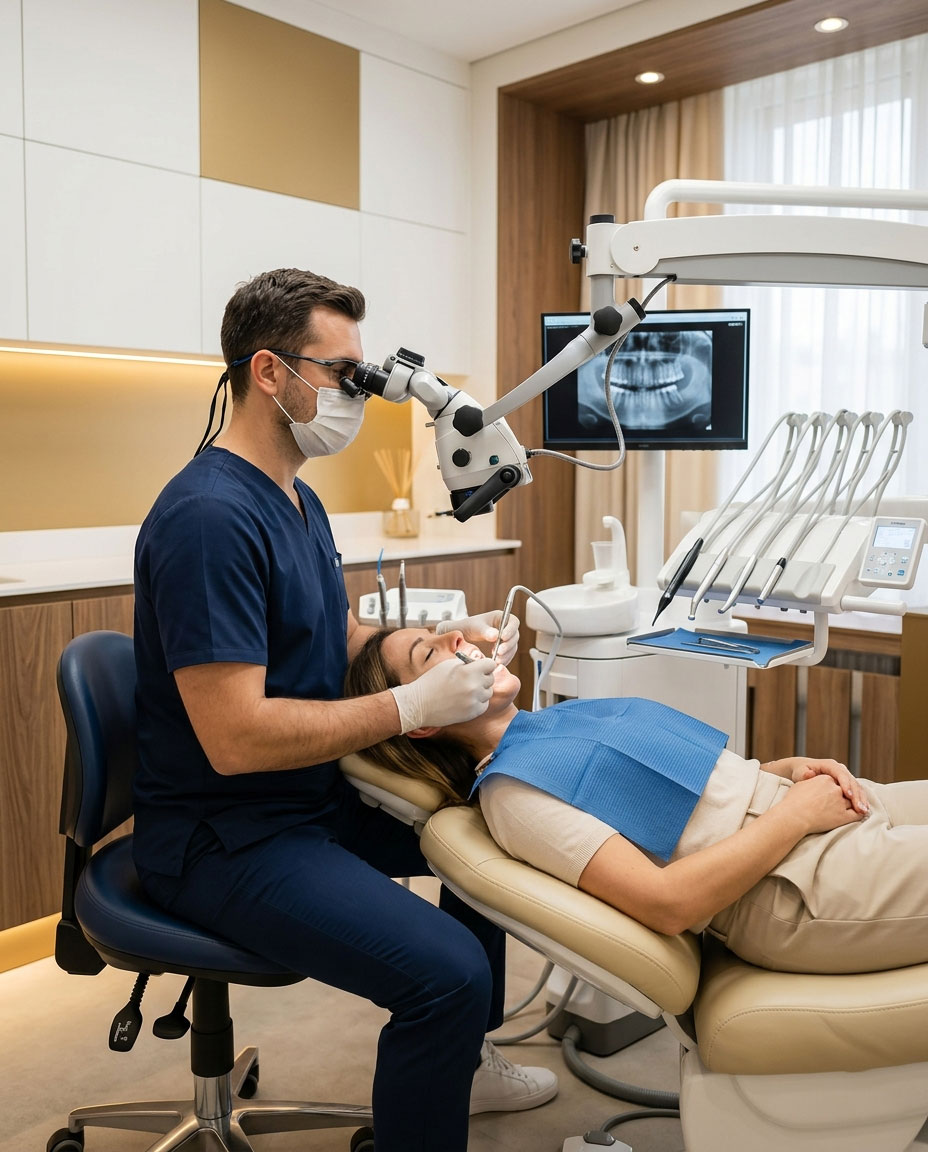
Modern root canal therapy has evolved significantly from traditional perceptions. With advanced diagnostics, precision techniques, improved anaesthesia protocols, and minimally invasive workflows, treatment today is focused on preserving natural teeth while improving comfort and long-term oral function.
At Pal Dental Clinic, root canal treatment is positioned as part of an advanced restorative and endodontic approach designed to help patients retain natural teeth while supporting long-term oral health outcomes.
What Is Root Canal Treatment?
Root Canal Treatment (RCT), also called endodontic therapy, is a dental procedure performed to remove infected or inflamed pulp tissue inside the tooth. The objective is not simply pain relief — it is to preserve the natural tooth structure whenever clinically appropriate.
Diagnosis & Preparation
- Clinical examination
- Digital diagnostic imaging
- Identifying affected tooth
- Treatment planning
- Anaesthesia administration
Treatment & Restoration
- Pulp tissue removal
- Canal cleaning & shaping
- Internal disinfection
- Canal sealing
- Final restoration planning
Signs You May Need Root Canal Treatment
Many patients delay treatment because symptoms can vary. Not every painful tooth requires root canal treatment, which is why professional diagnosis through examination and imaging is essential before any clinical decision is made.
1. Persistent Toothache
Deep, lingering tooth pain — particularly pain that is spontaneous or wakes you at night — may indicate that the dental pulp is inflamed or infected, warranting a thorough clinical evaluation.
2. Prolonged Temperature Sensitivity
Sensitivity to hot or cold that lingers for more than a few seconds after the stimulus is removed is often associated with pulpal involvement and may indicate the need for endodontic assessment.
3. Pain During Chewing
Discomfort or pressure when biting or chewing can indicate deep decay, a cracked tooth, or infection that has spread to the surrounding tissues around the tooth root.
4. Swollen or Tender Gums
Swelling, tenderness, or a small raised bump on the gum near a tooth may indicate a periapical abscess — a localised infection that often develops as a consequence of untreated pulpal disease.
5. Tooth Discolouration
A tooth that has darkened or changed colour compared to adjacent teeth may have suffered internal tissue damage, indicating that the pulp has been compromised and endodontic assessment is appropriate.
Deep decay, previous trauma to the tooth, and gum tenderness near a specific tooth are also common indicators. Early clinical assessment is always recommended when any of these signs are noticed.
How Advanced Root Canal Treatment Works Today
Modern endodontics is increasingly technology-assisted, and today's approaches focus on precision, conservation, and patient comfort at every stage of treatment.
Digital Diagnostic Imaging
Detailed imaging supports accurate treatment planning by revealing the full extent of infection, root canal anatomy, and surrounding bone condition before treatment begins.
Precision Canal Cleaning & Preparation
Modern rotary instruments and electronic apex locators improve cleaning accuracy while preserving healthy tooth structure, ensuring thorough disinfection throughout the canal system.
Minimally Invasive Principles
Conservative access techniques aim to maintain long-term tooth strength by removing only the infected tissue while preserving as much natural tooth structure as clinically possible.
Advanced Restoration Planning
The final restoration stage — typically a crown or core build-up — is planned as part of the overall treatment to support long-term durability, function, and aesthetics of the tooth.
Is Root Canal Treatment Painful?
One of the most common concerns patients have is whether the procedure will be uncomfortable. Modern treatment protocols are built around patient comfort, and the experience of root canal treatment has changed considerably with advances in anaesthesia and technique.
Patients frequently describe current root canal experiences as significantly more comfortable than expected when diagnosis, anaesthesia, and treatment planning are properly managed. Community discussions from Kerala patients also frequently emphasise that modern RCT experiences differ considerably from older perceptions of dental pain.
Root Canal vs Tooth Extraction: Which Is Better?
When infection is severe, patients sometimes ask whether extraction is a simpler solution. Understanding the clinical differences helps inform a more complete decision.
| Factor | Root Canal Treatment | Tooth Extraction |
|---|---|---|
| Preserves natural tooth | Yes | No |
| Maintains bite alignment | Yes | May require replacement |
| Bone preservation | Better long-term support | May lead to bone changes |
| Functional outcome | Maintains natural chewing | Depends on replacement |
Whenever clinically possible, preserving natural teeth is generally preferred over extraction. Pal Dental Clinic prioritises tooth-preserving endodontic solutions as part of its restorative philosophy.
What Happens After Root Canal Treatment?
A successful outcome depends as much on post-treatment care as on the procedure itself. Following treatment, patients are typically advised to:
Avoid Chewing on Treated Side Initially
Allowing the treated tooth to settle before applying normal chewing pressure reduces the risk of discomfort and supports optimal healing in the early recovery phase.
Maintain Good Oral Hygiene
Regular brushing, flossing, and mouth rinse use help protect the treated tooth and surrounding gum tissue from secondary infection and decay during the healing period.
Attend Follow-Up Reviews
Scheduled review appointments allow the treating clinician to monitor healing, confirm restoration integrity, and assess the long-term health of the treated tooth and surrounding tissues.
Complete Recommended Restoration
Final restoration — most commonly a dental crown — protects the treated tooth from fracture and seals the access point to prevent recontamination of the cleaned canal system.
Why Digital & Conservative Dentistry Matters for RCT
Successful root canal treatment depends on more than removing infection. Long-term outcomes are influenced by the accuracy of initial diagnosis, the quality of conservative tooth preservation during treatment, high-standard restoration placement, occlusal balance, ongoing follow-up monitoring, and consistent patient oral hygiene practices.
Pal Dental Clinic highlights advanced root canal treatment, laser-assisted workflows, minimally invasive approaches, digital imaging, and restorative planning as part of its clinical ecosystem in Kozhikode — supporting patients who wish to retain their natural teeth for as long as clinically possible.